
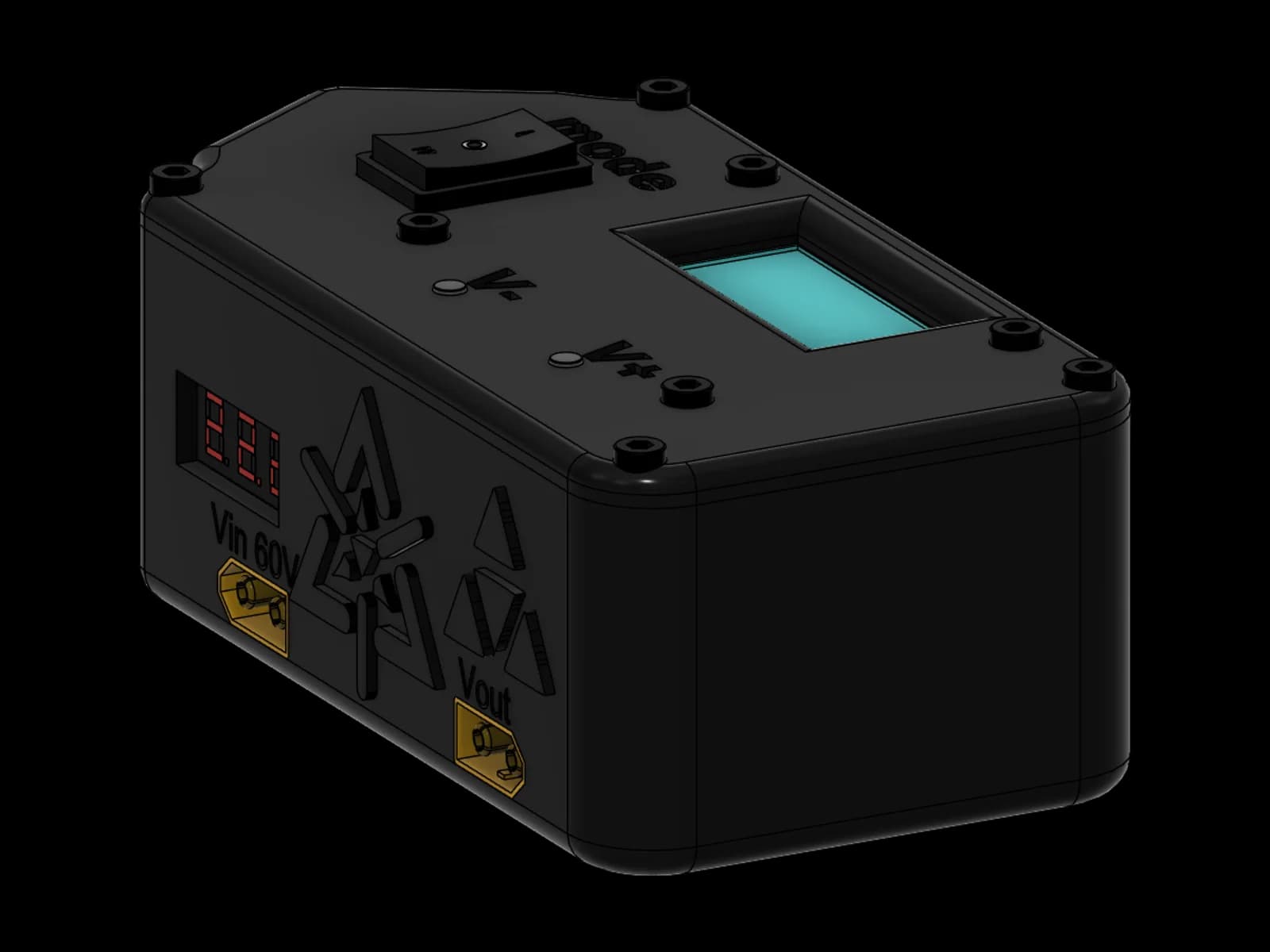
Lab PSU / prototype module
A power tool that belongs to the bank.
The lab PSU module fits around the docking interface, cooling and front controls. A prototype that brings electrical and mechanical decisions into the same assembly.
From the shape in your head to a prototype you can hold. Mechanical design, printed parts, electronics and firmware developed with the whole object in view.
Product definition / CAD / physical prototypes / integrated development
Module dock · live
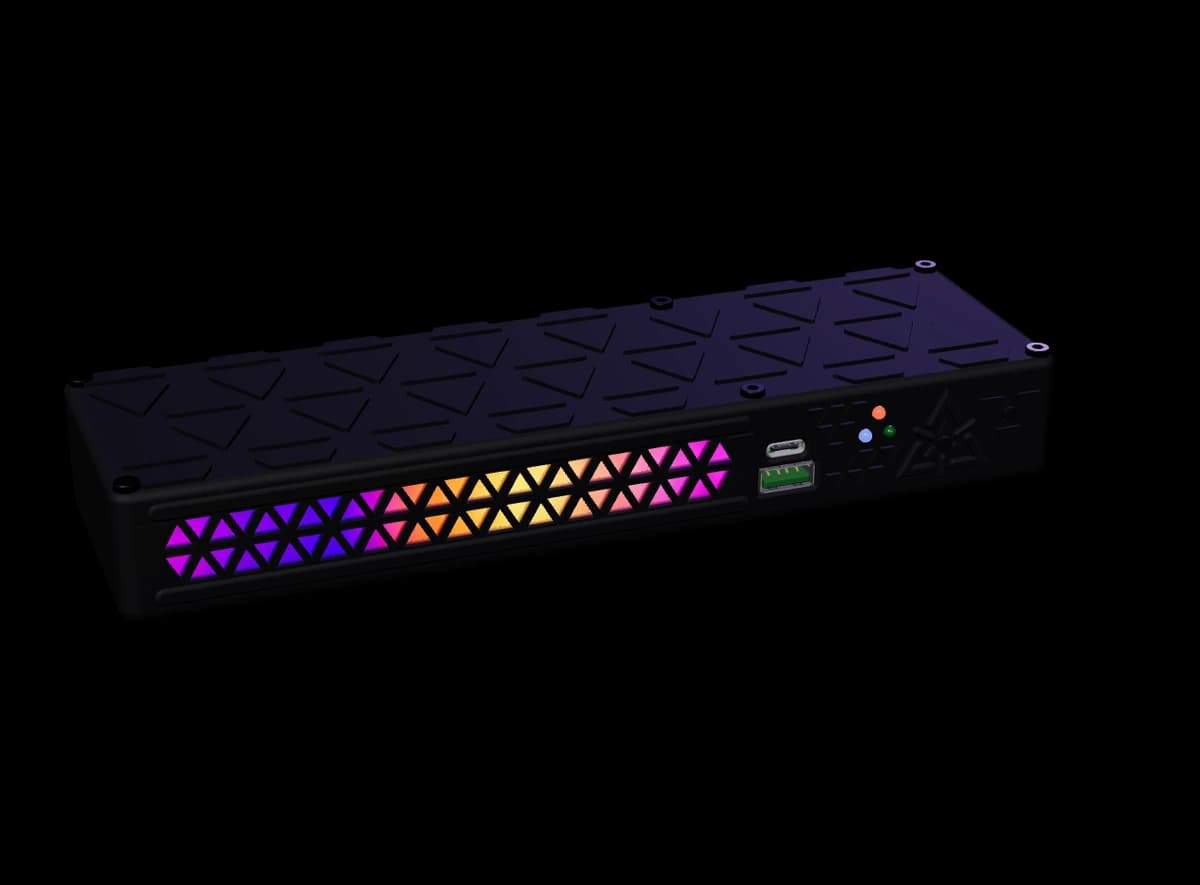
The MPB MK2.1 is a power bank built around interchangeable tools. The bank and its modules share a physical interface, power connection and visual language. Each new module has to belong to the same object.
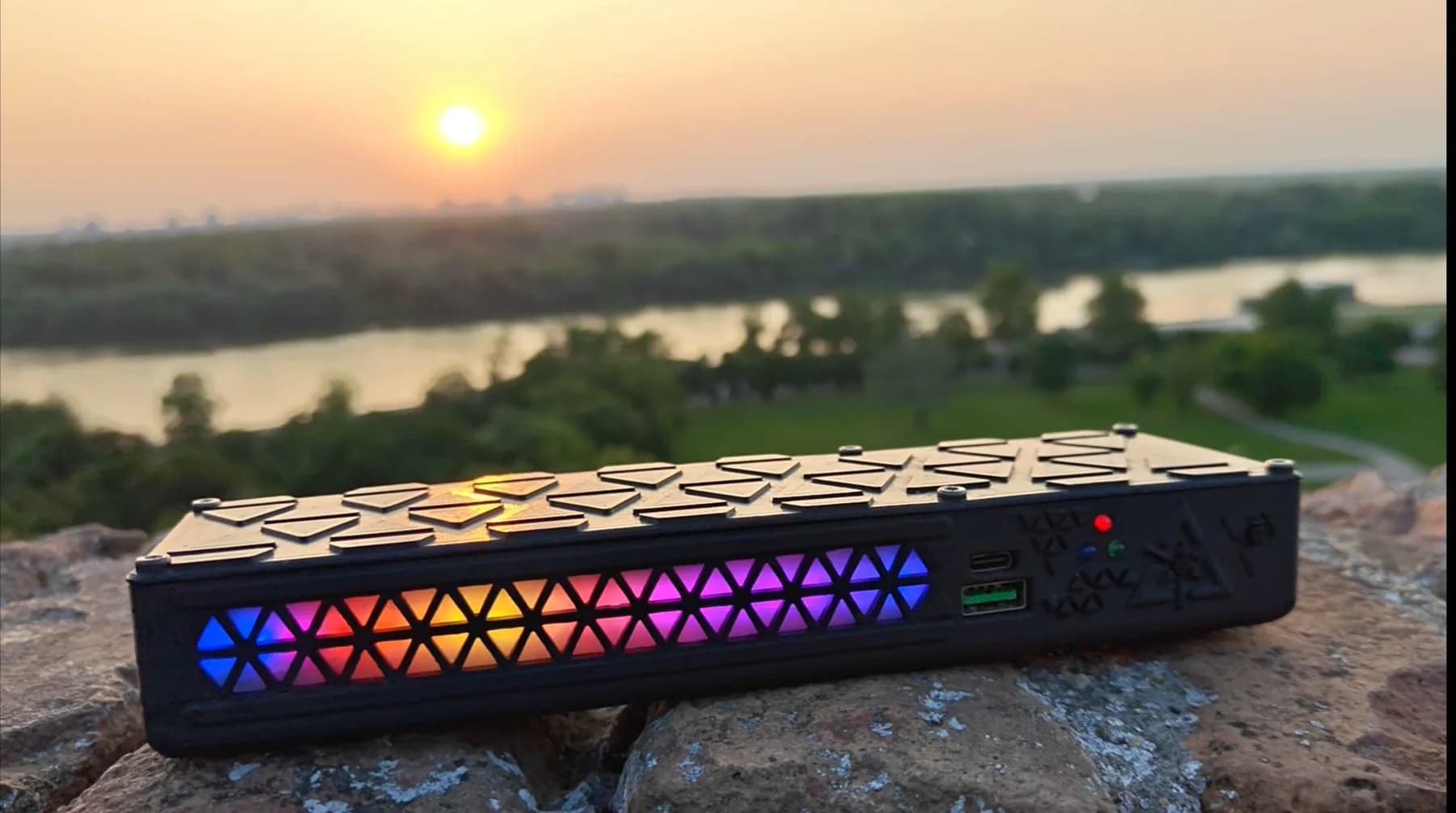
The printed bank brings the enclosure, ports and firmware into a real object. Fit, handling and assembly can be tested together, and the next revision starts with what the prototype teaches us.
See the complete product storyThe lab PSU module fits around the docking interface, cooling and front controls. A prototype that brings electrical and mechanical decisions into the same assembly.
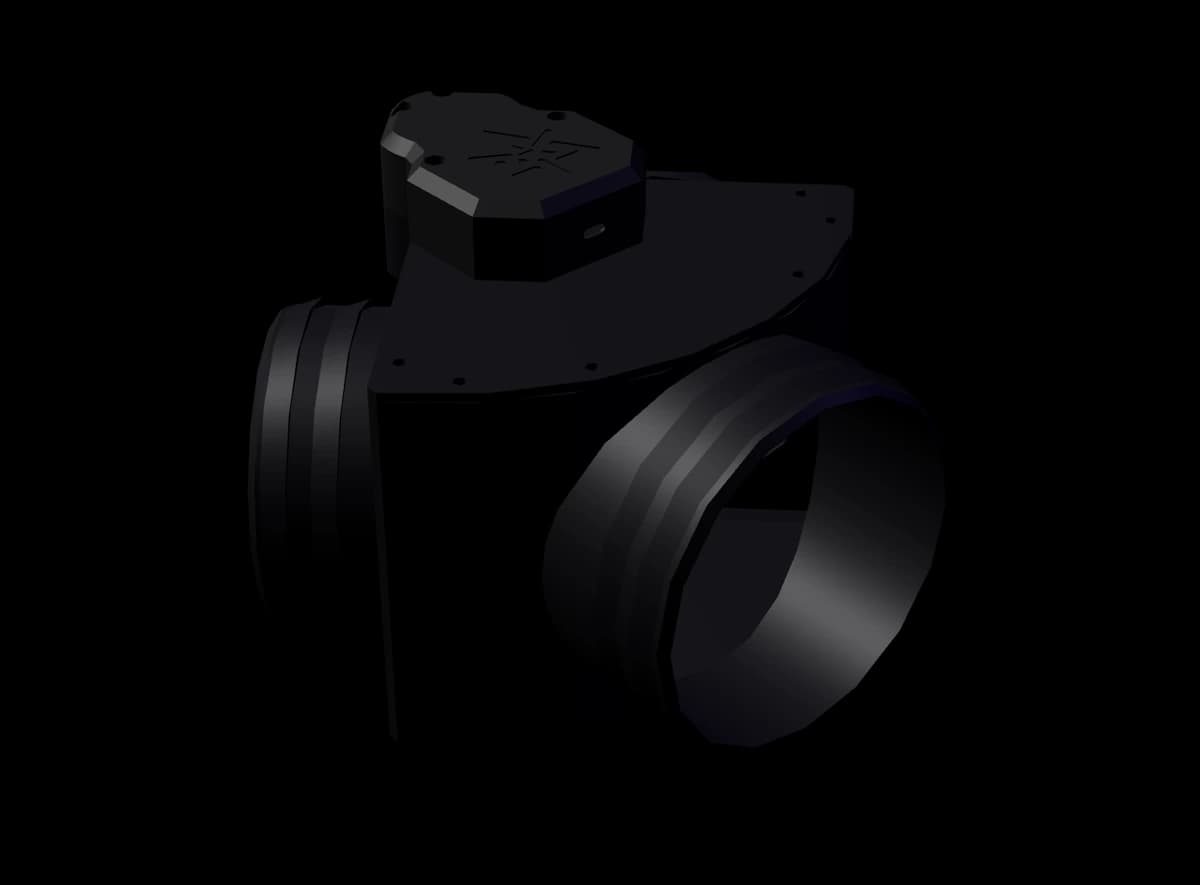
The extraction diverter locates a servo, flap and bearings between two flow paths. Clearance, assembly and service access are part of the design from the start.
A complete product is one possible scope. A single enclosure, mechanism or first prototype can be a useful project on its own.
Turn the idea and its constraints into a design direction, a working CAD model and a plan for the parts that need proving.
Printed enclosures, mechanisms and assemblies make fit, ergonomics and interfaces available to test. Revise what the prototype teaches us.
Bring the mechanical parts, electronics and behavior into one assembly. Define how it is built, checked and handed over for the next stage.
We decide what needs proving before making the part: fit, motion, assembly, user interaction or a technical constraint.
Bring the idea, intended use and constraints. We agree what the first version needs to prove and what can wait.
Review the direction in CAD. Resolve the key interfaces, material choices and assembly approach before the prototype is made.
Print and assemble the prototype. Check it against the agreed questions, then use the results to guide the next revision.
Hand over the files, parts and documentation in the scope. If production is next, agree the work still needed to get there.
No. A sketch, reference, description or existing part can start the conversation. The first job is to establish what the object needs to do and which constraints matter.
Yes. An enclosure, mechanism, CAD model or proof-of-concept prototype can be scoped independently. We define its interfaces with the rest of your product before starting.
The quote specifies the physical prototypes, CAD and print files, source code and documentation included. Production readiness and certification are separate work when the product requires them.
Your starting point is enough
A problem, a sketch or a prototype that does not quite work yet. Tell us what you are trying to build and what is getting in the way.